
Britain’s coastline is riddled with secrets. From smugglers’ caves and hidden tunnels to ruined castles, abandoned fortresses and remote inns, these shores have witnessed centuries of clandestine activity. Beneath the cliffs lie tales of pirates, smugglers, secret passages, lost treasures and restless spirits. Some are rooted in history, others in folklore, but all reveal a fascinating, often darker side to our coastal heritage.
01. DUNSKEY CASTLE, DUMFRIES & GALLOWAY
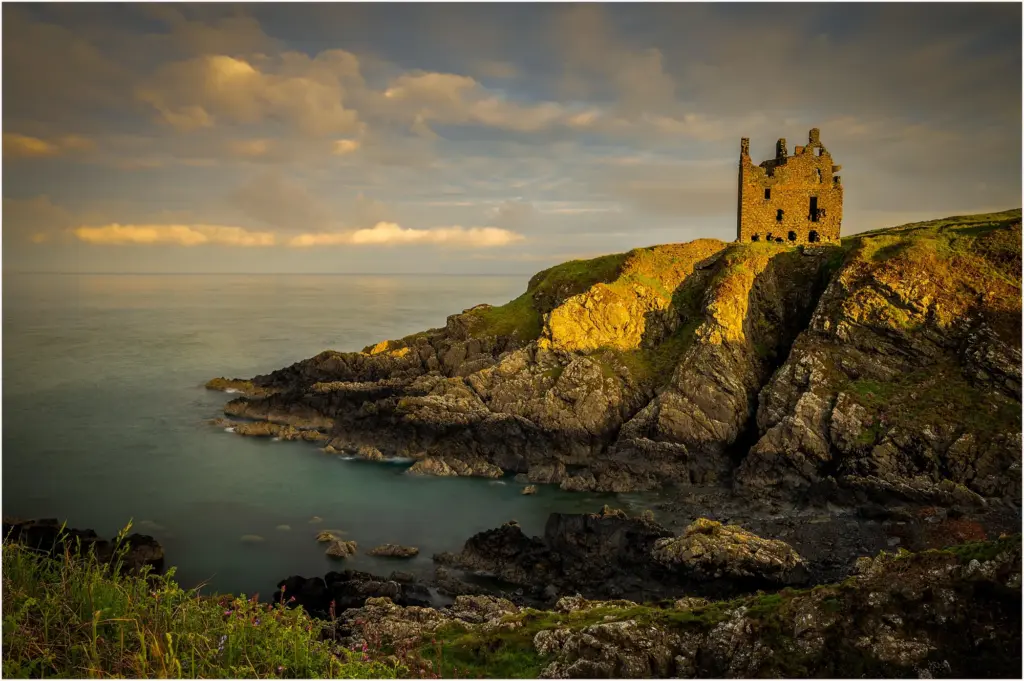
Perched dramatically on cliffs overlooking the Irish Sea, Dunskey Castle was once the stronghold of the Adairs of Kinhilt, with a fortress first recorded here in 1330. The present ruins largely date from the early 16th century, when the earlier castle was destroyed by the McCullochs of Myrton and Cardoness. Its substantial L-shaped tower contained vaulted cellars, grand first-floor rooms and private chambers above, but it is what may lie beneath the ruins that makes Dunskey particularly intriguing. Legend tells of a secret passage leading from the castle dungeons to a sea cave hidden in a narrow cleft in the cliffs. The cave was recorded by Yorkshire traveller Thomas Kirk in 1677, who wrote of a subterranean cavern extending some distance beneath the rock, although he never explored it. Said to be accessible only by boat or at low tide, its approach is notoriously treacherous. Dunskey also has its own chilling piper legend: a 14th-century sea-pirate named Walter de Curry supposedly imprisoned his Irish piper in the dungeons, where he starved to death attempting to escape through the secret passages. His ghost is said to haunt the underground tunnels, the sound of his pipes still echoing beneath the castle